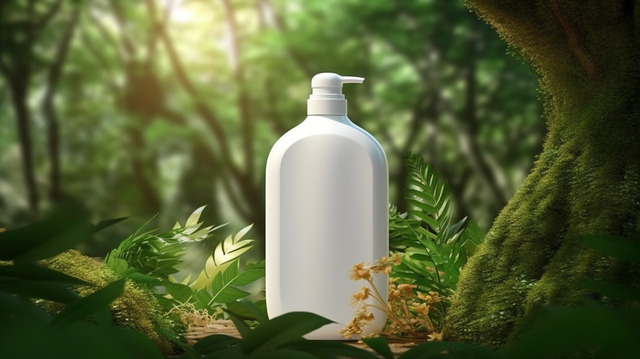
Shampoo is far more than a simple cleansing agent – it’s the foundation of hair health and style. Let’s explore the key functions and innovative features that make modern shampoos essential personal care products.
Core Functions of Shampoo
**1. Cleansing & Oil Management
- Primary purpose: Remove dirt, excess sebum, product buildup, and environmental pollutants
- Surfactants create lather to lift impurities from scalp and hair
- Different formulations balance cleansing strength with gentleness
- Example: Daily shampoos vs. clarifying formulas for heavy buildup
**2. Scalp Health Maintenance
- Maintains proper scalp pH balance (typically 4.5-5.5)
- Prevents conditions like dandruff, itching, and flakiness
- Some formulations contain active ingredients to address specific concerns
- Example: Anti-dandruff shampoos with zinc pyrithione or ketoconazole
**3. Hair Structure Protection
- Protects hair cuticles during washing process
- Minimizes damage from water, friction, and chemical treatments
- Preserves natural moisture balance
- Example: Sulfate-free formulas for color-treated or chemically processed hair
Key Features in Modern Shampoos
**1. Targeted Formulations
- Color-protective systems that lock in vibrancy
- Volume-enhancing technologies with polymers
- Curl-defining formulas with moisture-sealing properties
- Example: Purple shampoos for blonde hair, co-washes for curly hair
**2. Active Ingredient Systems
- Keratin-infused formulas for repair and strength
- Biotin and caffeine complexes for scalp stimulation
- Hyaluronic acid for intense hydration
- Example: Bond-building shampoos for damaged hair
**3. Specialized Technologies
- Heat protection up to specific temperatures
- UV filters to prevent sun damage
- Pollution defense systems
- Example: Thermal protection shampoos for frequent heat styling
**4. Texture & Weight Considerations
- Lightweight formulas for fine hair
- Creamy, rich formulations for thick, dry hair
- Transparent vs. opaque compositions
- Example: Volumizing shampoos that avoid weighing hair down
**5. Sustainability Features
- Biodegradable formulations
- Plastic-free or recycled packaging
- Vegan and cruelty-free certifications
- Concentrated formulas to reduce water use
- Example: Shampoo bars with minimal packaging
Choosing the Right Shampoo: A Practical Guide
For Your Hair Type:
- Fine/Oily Hair: Look for clarifying, volumizing formulas with lightweight cleansing
- Dry/Coarse Hair: Seek moisturizing shampoos with oils and butters
- Curly/Wavy Hair: Choose sulfate-free, moisturizing formulas with slip
- Color-Treated Hair: Select color-safe, UV-protective formulas
For Your Concerns:
- Damage Repair: Protein-rich formulas with bonding agents
- Scalp Issues: Medicated or soothing formulas with tea tree oil or salicylic acid
- Thinning Hair: Stimulating formulas with caffeine or peppermint
Application Tips for Maximum Benefit
- Water Temperature: Use lukewarm water to prevent stripping natural oils
- Amount: Quarter-sized portion for most hair lengths
- Technique: Focus on scalp, massage gently, let suds clean lengths
- Frequency: Adjust based on hair type and lifestyle needs